
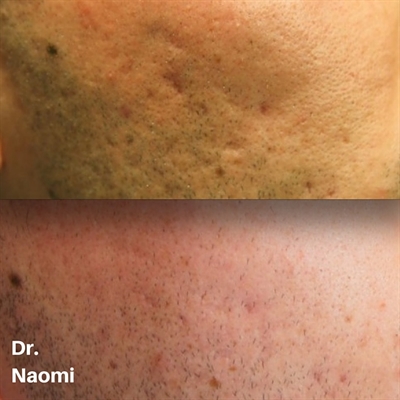
Acne Scarring Treatments in Sydney
Enduring acne is unpleasant enough; you shouldn’t have to live with scarring, too. We offer treatments to help improve the appearance of acne scarring at our Sydney cosmetic clinic, using a multi-modal approach to support smoother, more even-looking skin. Our cosmetic doctors and therapists use different techniques to address various types of acne scars.
What Causes Acne Scarring?
Acne scarring is the result of the skin’s natural wound-healing response. Inflamed acne can trigger the production of collagen to repair the skin, but in some cases the collagen fibres may not form as smoothly as the original skin. Early management of acne may help reduce the likelihood of visible scarring.
What Are the Different Types of Acne Scars?
There are two categories of acne scars — atrophic and hypertrophic scarring. The classification of acne scarring guides the choice of appropriate treatment approaches. We can also identify acne scarring as mild, moderate, or severe.
Atrophic Scarring
Atrophic scars are the most common type of acne scarring. Loss of tissue and atrophy in the superficial subcutaneous fat result in contraction and tethering of the epidermis.
Atrophic scarring can be categorised into the following groups:
Ice Pick Scars
Less than 2mm wide, narrow, deep, sharply defined.
Can extend into the deeper dermis or subcutaneous tissue.
Wider at the surface and taper downwards.
Often more resistant to surface-level treatments due to their depth.
Rolling Scars
4 to 5 mm wide, shallow, with an undulating appearance.
Caused by fibrous anchoring of the dermis to the subcutis.
May require deeper approaches for improvement.
Boxcar Scars
Wider at the base, do not taper.
Round to oval depressions in the skin with distinct margins.
Can be shallow (less than 0.5mm deep) or deep (more than 0.5mm deep).
Hypertrophic Scarring
These raised scars form as the lesion heals, resulting in a firm, raised papule or plaque. They develop within weeks of injury and may gradually settle over time. They do not extend beyond the margins of the injury and are not progressive.
Keloids are a different type of hypertrophic scar that can extend beyond the original area and may persist for longer. They can develop several years after injury and have a higher recurrence rate.
Red or Pigmented Scars
Hyperpigmentation or redness can highlight the appearance of both atrophic and hypertrophic scars. Addressing this aspect early may help improve the overall appearance of the skin.
What Are Treatment Options for Acne Scarring?
We offer a range of acne scar treatments at our Sydney clinic to help improve the appearance of scarring and support smoother-looking skin. These include both full-face procedures and techniques designed for specific scars.
Full Face Treatments
Full Field Laser Resurfacing
During a full-field resurfacing procedure, the skin’s surface is carefully treated to improve overall texture and tone. This differs from fractionated laser, which creates pinpoint channels in the skin but leaves surrounding tissue intact. We may use either Er:YAG (Erbium) or carbon dioxide (CO2) lasers. Recovery typically requires between 5 days and 2 weeks, depending on the depth of treatment. Possible side effects include temporary redness, pigmentation changes, and irritation.
Fractionated ablative laser can be used to address acne scarring. Either Erbium or CO₂ laser systems may be used in this mode. It typically targets 10% to 20% of the skin surface area, allowing for quicker recovery (usually 3 to 4 days). Multiple sessions are often recommended to achieve progressive improvement.
A fractionated non-ablative laser treatment involves minimal downtime (generally 3 days or less). Multiple treatment sessions may be needed for optimal visible results.
Fractional RF or Microneedling RF (Radiofrequency)
Radiofrequency-based treatments, either combined with microneedling or delivered via fractional technology, may help refine skin texture over several sessions. These procedures work by delivering controlled energy to the deeper layers of the skin to support natural renewal processes. Downtime is typically minimal.
Treatment on Individual Scars
Targeting acne scars that do not respond to full-field treatments often requires multiple procedures, so it can be beneficial to begin with these targeted options.
Subcision
This technique involves releasing the underlying tethering beneath a scar. A fine, slanted (bevelled) needle is used depending on the scar type.
The clinician inserts the needle into the dermis with the bevel flat and moves it through the scar in a fanning pattern. The needle may then be rotated and the motion repeated. Pressure is applied after the procedure to minimise bruising.
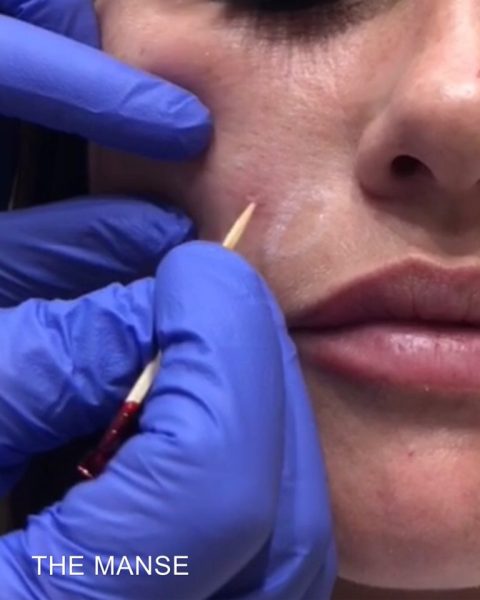
TCA Cross
This procedure applies a very small amount of highly concentrated trichloroacetic acid (TCA) directly to the base of the scar. A toothpick or other fine applicator is used to ensure precision.
The treated area undergoes a controlled surface peel, supporting gradual improvement in texture and appearance. A small scab typically forms and falls off after 3 to 7 days.
Treatments may be repeated at 4- to 8-week intervals.
Sun protection is essential for the week following treatment.
Volume and Supportive Treatments for Acne Scarring
Lifting Treatments
Lifting treatments are commonly used for rolling scars. During placement, a modified subcision technique is performed to help release the underlying tethering.
Mild bruising and swelling may occur and usually settle quickly. Results may improve gradually as the skin regenerates following treatment.
Biostimulators
Biostimulator treatments are designed to support the skin’s natural collagen process, which may help refine the appearance of acne scarring over time.
PRP (Platelet-Rich Plasma)
Platelet-rich plasma (PRP) uses a patient’s own plasma, which contains naturally occurring growth factors that support tissue renewal. This autologous approach carries minimal risk of reaction.

Skinboosters
Skinboosters are a popular option for improving the appearance of atrophic acne scars. They can be used in the affected area to help smooth and hydrate the skin for a more even appearance.
These can be administered by hand or using a controlled delivery device, where the depth can be adjusted precisely.
(Specific product names cannot be listed due to Australian advertising regulations.)
Chemical Peels
Chemical peels can help refine the skin’s surface and improve texture in areas affected by scarring.
-
Superficial: glycolic, lactic, or Jessner-type (epidermal level)
-
Medium-depth: Jessner plus 10–25% TCA (papillary dermis)
-
Deep: phenol-based (reticular dermis, performed only under medical supervision)
Deeper peels may involve longer recovery and carry higher risk, so professional guidance is essential.
Dermabrasion
This procedure removes the outer layers of skin more deeply than microdermabrasion. It can improve surface irregularities but carries a higher risk of temporary pigment changes or scarring if aftercare is not followed.
Skin Needling
Skin needling involves rolling or stamping a device with multiple microneedles across the skin, creating fine punctures that stimulate the skin’s natural renewal process.
Other Information
When creating a management plan for acne scarring, we consider factors such as:
-
Whether acne is active or resolved
-
Skin healing ability (e.g. recent isotretinoin use)
-
Other skin conditions or sensitivities
-
Medications
-
Skin type and pigmentation risk
Get in Touch
Get flawless skin at The Manse Clinic Paddington and Uptown Sydney CBD. Experience the ultimate solution for acne scars treatment near you. Bid farewell to acne with our high-quality acne removal services in North Sydney. Elevate your confidence – reach out today and embrace skin transformation.
Frequently Asked Questions
1. How many sessions will I need for acne scar treatments?
Most patients require several sessions spaced a few weeks apart, depending on the scar type and chosen treatment. Your clinician will personalise a plan during consultation.
2. Is there downtime after treatment?
Downtime varies depending on the procedure. Some treatments have minimal recovery time, while others—such as deeper laser resurfacing—may require several days to two weeks of healing.
3. Will the scars go away completely?
Treatments are designed to help improve the appearance of acne scarring and skin texture. Complete removal is not always possible, but most patients notice visible refinement over time.
4. Are these treatments suitable for all skin types?
Many acne scar treatments can be adjusted for different skin types, but suitability depends on your skin tone, scar depth, and history of pigmentation. Your practitioner will assess this during consultation.
5. How soon will I see results?
Some patients notice gradual improvement within a few weeks, while others see more visible changes over several months as the skin continues its renewal process.
6. Are there risks or side effects?
Mild redness, swelling, or temporary pigmentation changes can occur. Your practitioner will discuss all possible side effects and aftercare measures before treatment.
7. Can acne scar treatments be combined with other procedures?
Yes. Treatments such as microneedling, laser, chemical peels, or skin boosters are sometimes used together to address different scar types for a more balanced result.
8. How do I prepare for acne scar treatment?
Avoid sun exposure, active skincare products, or tanning for several days before your session. Follow any specific pre-care advice from your practitioner for best results.
9. When can I return to normal activities?
Most patients can resume daily activities immediately or within a few days, depending on the intensity of the treatment performed.
10. How can I maintain my results?
Follow the recommended skincare routine, protect your skin from the sun, and attend any scheduled follow-up appointments to maintain long-term skin quality.