


Nasolabial Fold Treatment Sydney – The Manse Clinic
Nasolabial fold treatments can be used to soften and support this area, which naturally changes over time due to volume shifts in the midface.
Nasolabial folds are the lines that extend from the sides of the nose down toward the corners of the mouth. These lines can create shadowing or a more tired appearance, even when you feel rested and happy.
Understanding Nasolabial Folds
As we age, structural changes occur in the midface. The natural support from bone, fat, and soft tissue can gradually decrease, allowing the skin to fold more deeply in certain areas — particularly around the nose and mouth.
Many patients notice nasolabial folds from an early age, often due to genetics, facial structure, or expressive movement. Over time, these folds can deepen and become more visible.
Non-Surgical Options for Nasolabial Folds
At The Manse Clinic, our practitioners offer a range of non-surgical treatments that can help refine the appearance of nasolabial folds and enhance facial harmony.
The goal is to create a smoother, more balanced transition between the cheeks and lower face, without altering your natural expression.
Treatment plans are personalised — your practitioner will assess your anatomy, facial dynamics, and individual preferences to determine the best approach.
Threads as an Alternative Option
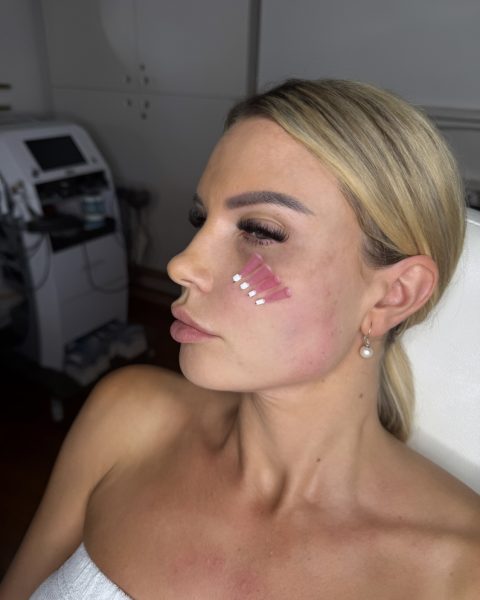
In addition to volume-supporting treatments, collagen-stimulating threads may also be used as a non-surgical option to support the skin in this area.
Threads work by stimulating collagen production and providing gentle structural support, helping to improve firmness and the appearance of folds over time.
Your practitioner will discuss whether this approach is suitable for you during your consultation.
Please see research on the topic of classification of nasolabial folds
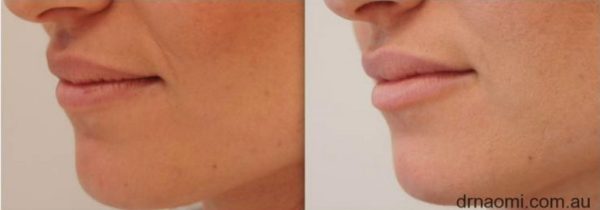
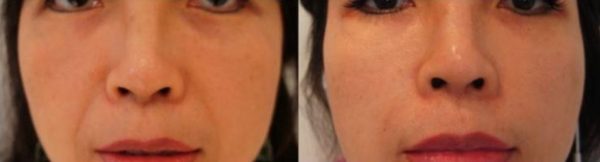

The Nasolabial Fold Debate
There is debate about whether nasolabial folds should be treated directly. Those against treating the nasolabial fold itself argue that the fold is mostly caused by volume loss in the cheeks, leading to reduced structural support and causing the skin to fold downwards, creating the nasolabial line.
From this perspective, the nasolabial fold is seen as a symptom of volume loss, and practitioners believe that restoring support in the cheeks addresses the cause, rather than treating only the symptom — the deepening appearance of the fold.
Where We Sit on the Debate
In practice, it is often possible to soften a nasolabial fold directly, and patients usually notice a more balanced and refreshed look after treatment.
However, if there is volume loss (which is usually the case), then treating the fold alone may not recreate the person’s natural, youthful balance — it may simply reduce the appearance of the line.
It’s also worth noting that midface treatments generally require more material than a direct nasolabial approach, so budget can be an important consideration. In some cases, too much treatment in the cheeks can create an unnatural “pillow-face” look.
Our recommendation is to treat both the cheek and nasolabial fold areas where appropriate, to achieve a more natural, harmonious result.
If this doesn’t fit within the patient’s budget, then each case should be assessed individually to determine whether addressing volume loss or the fold itself will provide the best, most natural-looking outcome.
Treatment of Nasolabial Folds
Choosing the Type of Treatment
We use several different non-surgical treatment options for the nasolabial fold.
Due to Australian regulations, we cannot name specific treatment types or brands, which makes it difficult to compare them directly or discuss their individual pros and cons.
Reversible treatments are generally well tolerated and can achieve natural-looking improvements.
Collagen-stimulating procedures (biostimulators) are also an excellent choice for supporting the nasolabial fold area.
Number of Treatments for Nasolabial Folds
The number of treatments required for nasolabial folds is variable. It depends on the patient’s anatomy and how much change they wish to achieve.
The practitioner will assess the area and decide on the best plan after taking a medical history and examining the patient.
If a patient has a history of complications, a smaller budget, or prefers a more subtle outcome, the practitioner will begin conservatively.
A standard approach for treating the nasolabial fold (when treated on its own) may include:
-
Treatment 1: Subtle initial treatment
-
Review: 1 month after treatment
-
Maintenance: If the fold is adequately treated, review at 6 months, then again at 12 months.
If the fold is not adequately treated at 1 month, another session may be recommended, followed by review after another month.
Pain Relief During Treatment
A numbing cream (such as EMLA, LMX, or compounded topical) may be applied to the area about 45 minutes before treatment. A covering (such as Glad Wrap) may be used over the numbing cream to enhance its effect.
If a cannula is used, local anaesthetic may be applied before the cannula is introduced into the skin.
Ice may also be used to reduce discomfort and help minimise bruising.
A dental block with anaesthetic to completely numb the area can be provided as an option, although this isn’t always ideal as it may temporarily distort facial shape.
Nitrous oxide (“happy gas”) is also available for patients who would like additional comfort during treatment.
What Happens During the Nasolabial Fold Treatment Itself
The area will be cleaned with antiseptic before treatment.
Ice will be applied briefly before the procedure begins.
The practitioner will then perform the treatment carefully using a fine technique, followed by gentle pressure with gauze to reduce any swelling.
Local anaesthetic may also be used during the procedure to help maintain comfort.

Side Effects / Risks with Treatments in the Nasolabial Folds
Bruising:
Occurs in a significant number of cases and usually settles within several days.
Swelling:
Temporary swelling in the treated area may occur and typically lasts for approximately 48 hours.
Tyndall Effect:
A rare occurrence where a bluish appearance may be seen under the skin following certain treatments.
Lumps:
Our 3-session approach helps to reduce the likelihood of lumpiness and promotes even results.
Asymmetry:
Sometimes one side is better treated than the other — this is often because the face is naturally asymmetrical. Nasolabial folds are well known for being uneven, and most patients require slightly different amounts of treatment on each side.
Infection:
This is a very rare complication, but as with any procedure involving the skin, it is always a possibility.
Necrosis:
A very rare event where blood flow to the skin may be affected. This could result in scarring if not promptly managed.
Blindness:
An extremely rare but serious complication. Our practitioners use established safety techniques to help minimise this risk.
Need for Further Treatment:
Some patients may require multiple sessions to achieve their desired result.
After Nasolabial Fold Treatment
Instructions for Care Afterward
-
No makeup for 4 hours
-
No heavy exercise on the day of treatment
-
No acid-based face products for 24 hours
-
Avoid spas, saunas, and hot yoga for 1 week after treatment
What to Expect After Treatment
Some improvement in the treated area may be visible shortly after the procedure.
There may be temporary redness, swelling, or small red dots at the treatment sites. Bruising can occur, although if a cannula is used, it is generally less common.
Most of the swelling typically resolves within 2–3 days after the procedure, although mild swelling may persist for up to 4 weeks.
Bruising may last approximately 7–8 days.
What if I Notice Asymmetry Before the 4-Week Review?
Most nasolabial folds are naturally asymmetrical. Your practitioner will aim to improve balance where appropriate, based on your goals and anatomy.
Sometimes, early asymmetry after treatment is due to swelling or bruising and usually corrects itself by the review appointment.
If it does not, your practitioner can reassess and adjust at that visit.
It’s best to wait until at least 4 weeks before requesting further correction, as early treatment can lead to additional unevenness.
How Long Will the Results Last?
The duration of results varies for each person and depends on individual anatomy, metabolism, treatment amount, and technique used.
A general protocol involves an initial treatment, followed by review at 6 months, again at 12 months, and then yearly maintenance if desired.
Cost of nasolabial folds treatment:
Please see prices
Before and after nasolabial folds
For more info see our Top 10 FAQs Nasolabial folds
Reduce Smile Lines Around Mouth

Smile Lines (Accordion Lines) – Lower Cheek Area
It is important, especially from a preventative point of view, to help minimise the appearance of smile lines around the mouth.
These vertical lines, sometimes called “accordion lines,” appear in the lower cheek area and are positioned slightly outward from the nasolabial folds (the lines running from the nose to the corners of the mouth).
Why Is It Important?
Managing the appearance of accordion lines in the lower face early can help maintain smoother, more balanced skin over time.
Once these lines become more deeply etched, they can be more challenging to improve.
The reason these lines form is complex. They are influenced by age-related changes in both the midface and lower face, including bone and soft tissue volume changes, skin ageing from multiple factors (such as UV exposure), and repeated smiling and facial movement over many years.
What Can Help Prevent These Lines from Forming?
A range of preventative measures may support skin health and structure in this area:
-
High-quality topical skincare: Products that contain resurfacing or hydrating ingredients (e.g., gentle exfoliants or moisturisers)
-
Volumising or collagen-supporting treatments
-
Skin hydration and strengthening treatments (such as microinjections or skin boosters)
-
Regular laser or energy-based treatments to help refine skin texture and promote evenness
What If They Are Already Etched In?
If accordion lines are already visible at rest, your practitioner may recommend a combination of treatments that address both surface texture and deeper support.
Early management is beneficial, as these lines tend to become more noticeable with time.
A professional consultation is the best way to assess which approach would be most suitable for your individual skin and anatomy.
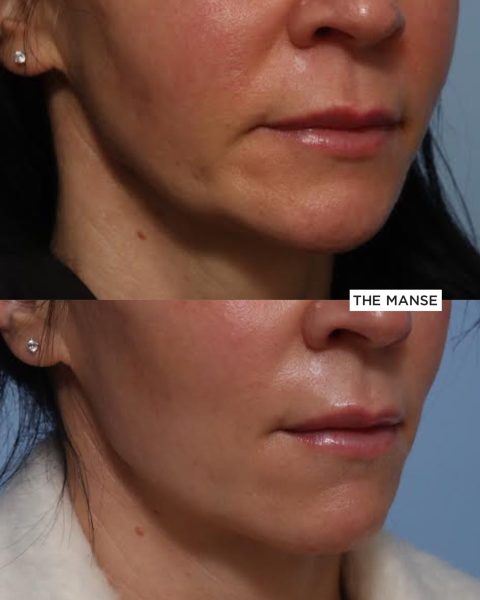
For more nasolabial fold before and after images
Please call our clinic to make an appointment for nasolabial fold treatment
Frequently Asked Questions – Smile Lines (Accordion Lines)
1. What causes accordion lines?
Accordion lines, or smile lines, develop over time from repeated facial expressions, natural skin movement, and gradual changes in bone and soft tissue support in the lower and midface. Factors like sun exposure and reduced skin elasticity can also contribute.
2. Are accordion lines the same as nasolabial folds?
Not exactly. Nasolabial folds are the lines that run from the corners of the nose to the mouth. Accordion lines appear slightly further out toward the sides of the face and are more vertical in direction.
3. Can accordion lines be improved without surgery?
Yes. A range of non-surgical treatments can help improve the appearance of these lines. These may include collagen-supporting treatments, skin hydration procedures, and laser or energy-based treatments, depending on your needs.
4. When should I start treating or preventing smile lines?
It’s beneficial to start early with preventative skincare and professional advice. Once lines become more deeply etched, they may require more advanced or combination treatments. Early management supports better long-term results.
5. Are these treatments painful?
Most patients find non-surgical treatments for this area comfortable. Numbing cream, cooling, or local anaesthetic can be used to make the experience as pleasant as possible.