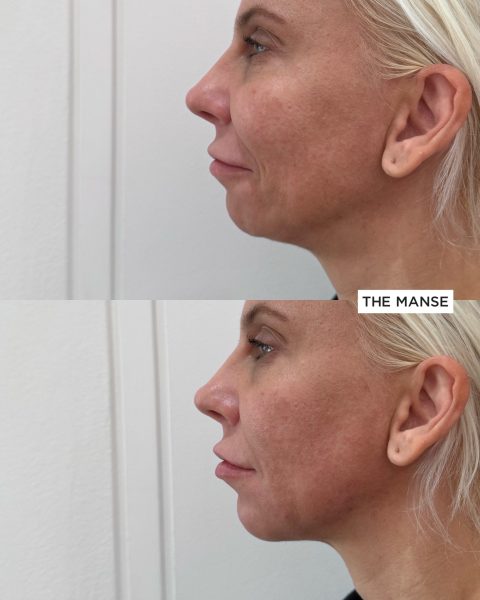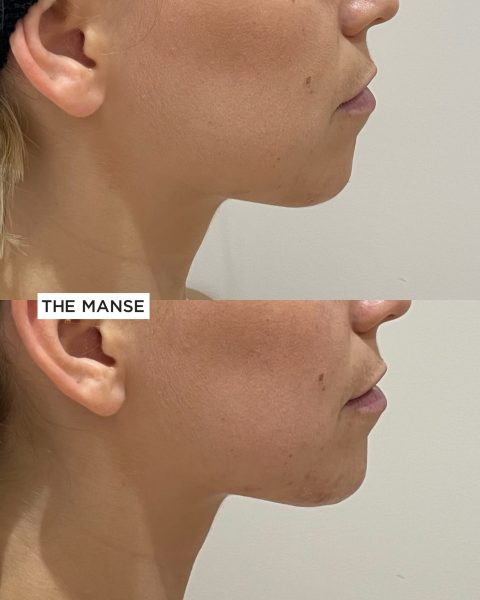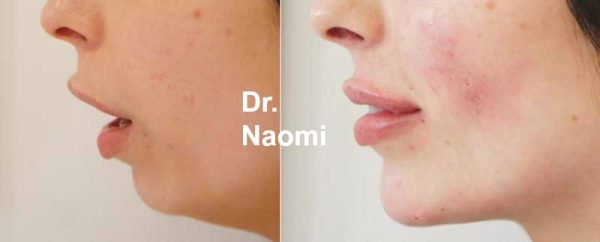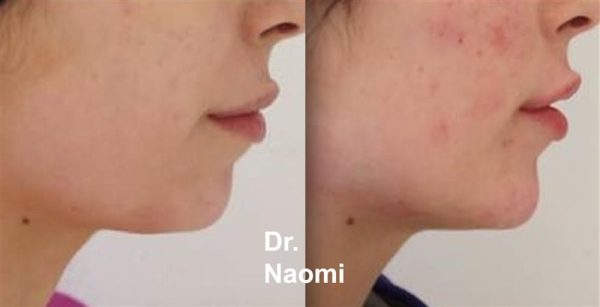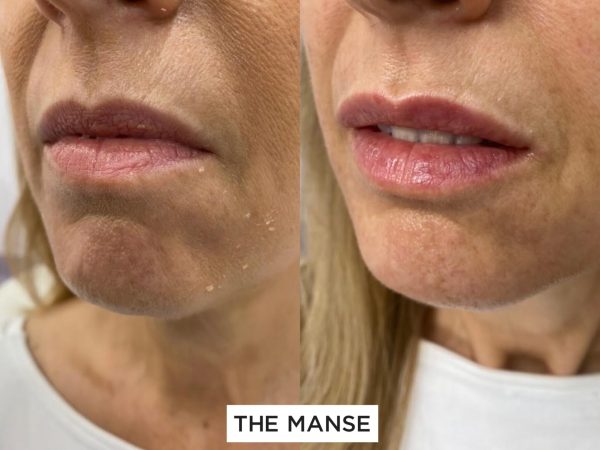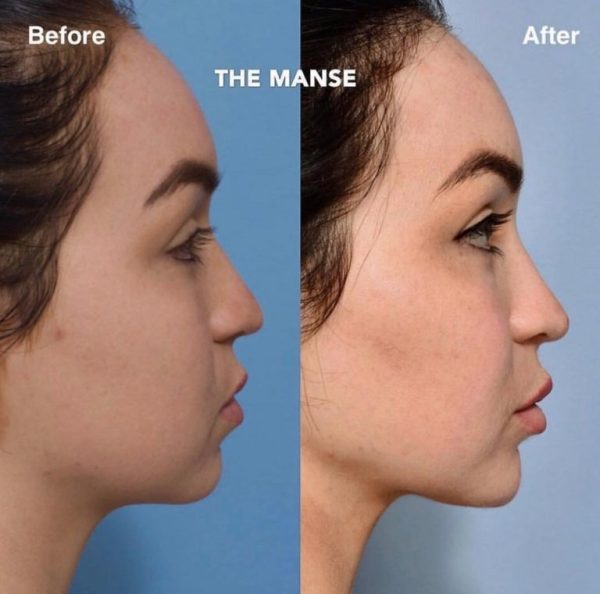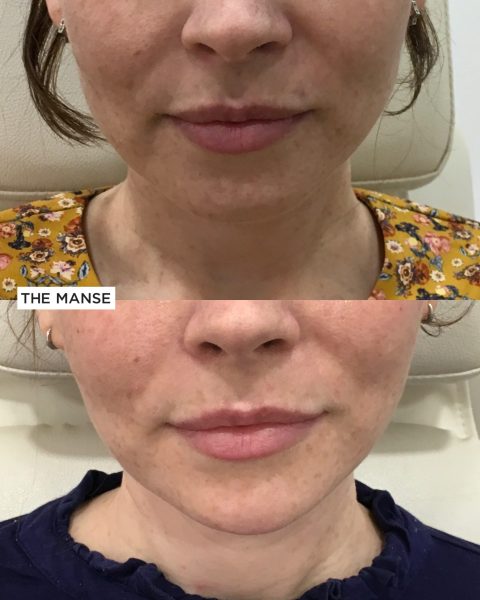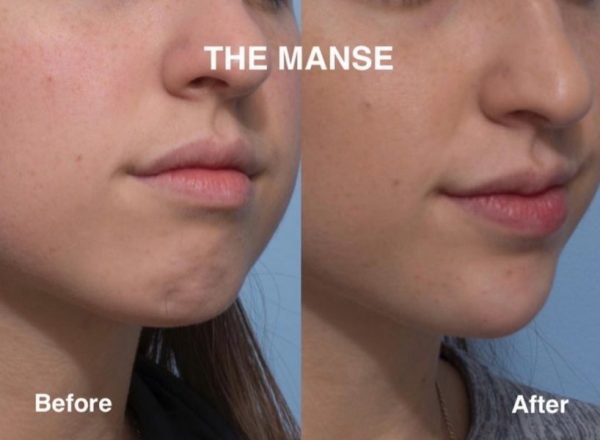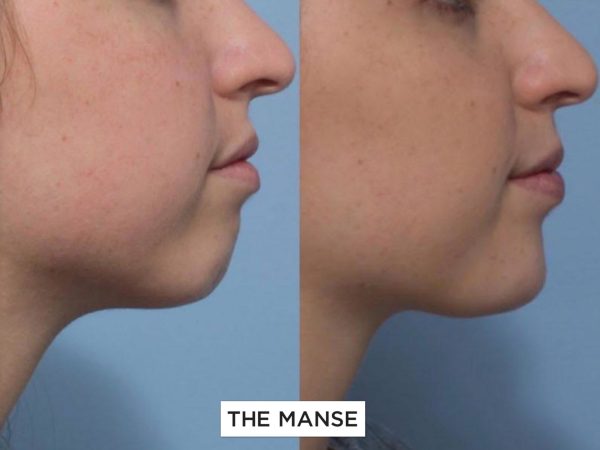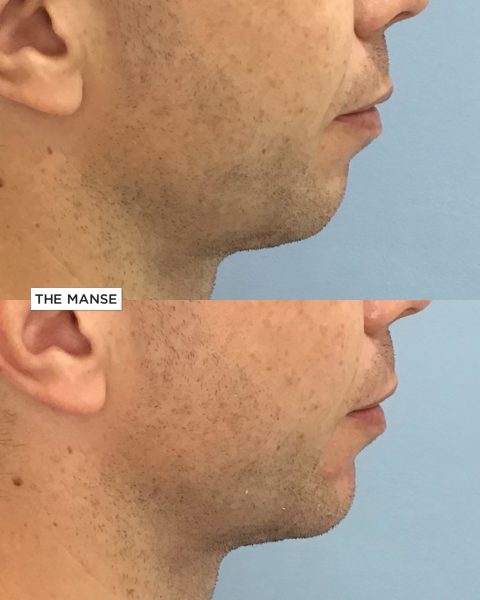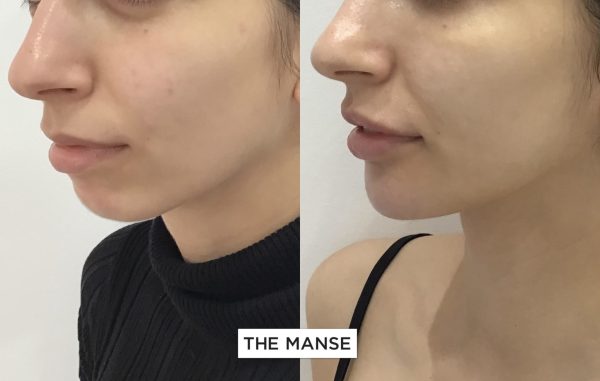

Chin treatment focuses on supporting facial balance, proportion, and lower-face structure through consultation-led, individualised care. The chin plays an important role in profile harmony, jawline definition, and overall facial proportions, and changes may occur naturally over time or be present from birth. This page provides educational information about treatment considerations, assessment, aftercare, and review processes.
Chin Treatments – The Manse Clinic Sydney
Chin treatments are one of the most popular procedures at our Sydney clinic. The chin plays a key role in defining facial balance, jawline shape, and overall profile. Many people have a naturally recessive or shorter chin that can make the lower face appear less defined — and subtle improvements can make a remarkable difference to harmony and proportion.
Why Consider Chin Treatments?
Chin treatments are performed for two main reasons:
-
To enhance overall facial balance and beauty
-
To restore volume and structure lost with age
As we age, the underlying bone and soft tissue in the lower face naturally reduce in volume. This can lead to less definition in the chin and jawline, and even affect the appearance of the neck and jowls. Re-balancing structure in this area can help restore support and harmony to the lower face.
Some people are born with a strong, well-projected chin, while others have a softer or more recessed chin that can be improved through tailored treatment. Our experienced practitioners will assess your facial proportions and discuss the best approach for your goals.
Chin Treatments Can Address:
Size of the Chin
Some clients wish to subtly enhance the size or projection of their chin for a more balanced profile.
Length of the Chin
A shorter chin can make the lower face appear less defined. This can be improved with appropriate treatment planning.
Projection of the Chin
A recessed chin is very common, and carefully planned treatment can help create a more balanced and harmonious side profile.
Shape of the Chin
Each face is unique. Some patients prefer a more angular or structured look, while others want a softer, rounder appearance. The practitioner will discuss your facial structure and aesthetic goals in detail before recommending an approach.
Skin of the Chin
Skin texture and fine lines in this area can also be addressed with suitable treatments.
Ageing Chin
Loss of volume and structure in the chin can contribute to lower-face sagging. Restoring support may improve definition and balance.
Symmetry of the Chin
Mild asymmetry is very common. Treatments can help improve the overall balance of the chin and jawline.
Number of Treatments Required
Every patient is different. Some will be satisfied after a single session, while others may prefer a gradual approach over two or three treatments to achieve their desired outcome.
Your practitioner will assess your anatomy, medical history, and preferences before recommending a suitable plan. If you prefer subtle, natural-looking changes or have a smaller budget, a staged approach can be ideal.
After your first treatment, a review is usually performed at around one month to assess your results and discuss whether further sessions may be beneficial.
Pain Relief Options
Your comfort is a priority. Options that may be used to minimise discomfort include:
-
Topical numbing cream (applied about 45 minutes before treatment)
-
Local anaesthetic if a cannula is used
-
Ice to reduce pain and swelling
-
Nitrous oxide (happy gas) for additional comfort
What Happens During the Treatment
Your face will be cleansed with antiseptic solution. Ice may be applied before and after treatment to reduce swelling. If a cannula is used, a small amount of local anaesthetic is administered before insertion.
The practitioner performs the treatment carefully and may apply pressure with gauze afterwards.
Immediately After Treatment
It’s normal to experience mild redness, swelling, or tenderness in the treated area. The chin may appear slightly sharper or more defined at first — this usually settles within a few days as swelling subsides, revealing a natural appearance.
Most swelling improves within 2–3 days, although some minor swelling may last up to 2–4 weeks.
Possible Side Effects and Risks
As with any medical procedure, there are potential risks. These may include:
-
Temporary redness, swelling, or bruising
-
Mild discomfort or tenderness
-
Temporary asymmetry due to swelling
-
Rare risks such as infection or vascular compromise (discussed in detail during consultation)
Your practitioner will explain all potential risks and how to care for your skin after treatment.
Aftercare Instructions
To support healing and results, please avoid:
-
Wearing makeup for 4 hours
-
Strenuous exercise on the day of treatment
-
Using active skincare (acids or retinoids) for 24 hours
-
Saunas, spas, or hot yoga for 1 week
Asymmetry After Treatment
Temporary asymmetry can occur due to swelling or bruising and usually resolves before your review appointment. If you notice unevenness in the first few weeks, it’s best to wait until your follow-up before seeking adjustment.
Longevity of Results
Treatment longevity varies between individuals depending on anatomy, metabolism, and number of sessions. Your practitioner will recommend a maintenance schedule tailored to your needs. Many clients return every 6–12 months for review and upkeep once their desired shape is achieved.
Book Your Chin Consultation
Our team at The Manse Clinic Sydney offers tailored cosmetic treatments designed to enhance natural facial harmony.
To explore your options for chin enhancement or rejuvenation, book your appointment online today.
See current pricing.
Please make an online booking with one of our practitioners today.