
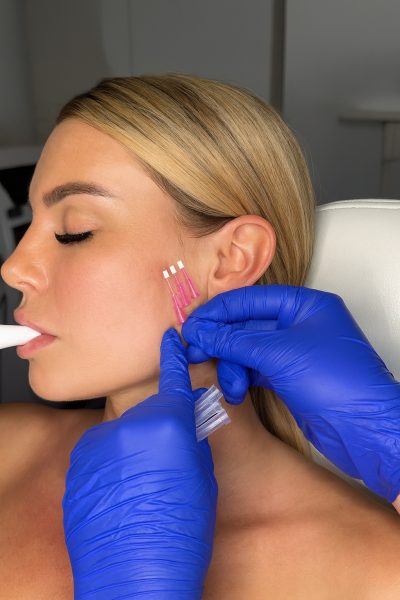

Treatment Overview
We offer tailored aesthetic options for temple volume changes, designed around your unique facial structure, goals, and medical history.
Options may include:
-
Volumising treatments – used to smooth and refine the temple area, with follow-up sessions spaced over time.
-
Collagen-stimulating techniques such as threads – designed to encourage natural collagen renewal for gradual, long-lasting support. These treatments typically show progressive improvement over 6–8 weeks.
Treatment Planning & Sessions
The number of sessions required will vary depending on the degree of hollowing and individual goals.
-
Some patients may be satisfied after one session across both temples.
-
Others, particularly those with more pronounced volume loss or long-standing hollowness, may benefit from several sessions.
-
Sessions are generally spaced about 4 weeks apart, allowing the area to settle between visits.
-
Collagen-stimulating options like threads are typically reviewed after 8 weeks and may be repeated depending on progress and response.
Threads as an Alternative Option
Threads can be a useful alternative or complement for patients seeking gradual, structural support in the temple area. These collagen-stimulating threads are placed beneath the skin to gently reinforce the area and stimulate collagen over time. Results appear progressively, helping to refine contour and restore harmony to the upper face. Your practitioner will assess whether threads or other non-surgical methods are most appropriate for your anatomy and goals.
Comfort & Pain Management
We aim to keep every session as comfortable as possible:
-
Topical anaesthetic applied 45 minutes before your procedure
-
Local anaesthetic used where needed
-
Fine-tipped tools or cannulas for precision
-
Cold packs to reduce discomfort and bruising
-
Nitrous oxide (“happy gas”) available for additional relaxation
After Your Treatment
You may notice:
-
Mild swelling or redness in the treated area
-
Temporary bruising, usually resolving within a few days
-
Slight asymmetry early on due to swelling or bruising, which typically evens out within a few weeks
For collagen-stimulating treatments such as threads, early changes may soften slightly before gradually improving over 6–8 weeks.
Post-Treatment Care
To support healing and results:
-
Avoid makeup for 4 hours
-
Skip strenuous exercise for the rest of the day
-
Avoid active skincare (acids, retinol) for 24 hours
-
Refrain from hot yoga, saunas, or spas for 1 week
Longevity of Results
Duration varies based on metabolism, lifestyle, and the treatment selected. Generally:
-
Maintenance is usually recommended every 6 months to 2 years, depending on your treatment plan.
-
Some patients may require additional sessions early on to gradually reach their desired outcome.
Pricing
Due to Australian regulations, we are unable to give pricing to those who have not had a consultation
View our Before & After gallery for temple restoration results.

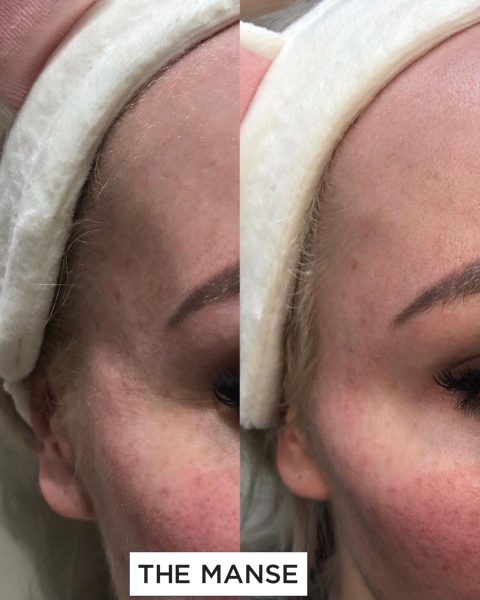


Frequently Asked Questions – Temple Treatment
1. What is temple treatment?
Temple volume restoration refers to non-surgical aesthetic treatments designed to refine contour and balance the upper face. Your practitioner will assess which approach best suits your anatomy.
2. What causes hollowing in the temples?
This can occur naturally with age as soft tissue and bone structure change. It may also be more noticeable in individuals with lower body fat or those who exercise frequently.
3. Are threads suitable for temple treatments?
In some cases, collagen-stimulating threads may be recommended to support structure and encourage gradual collagen production. Your practitioner will advise whether this method or another approach is appropriate.
4. What is the recovery time?
Mild redness, swelling, or bruising can occur but generally resolves within a few days. Any early unevenness often settles within 2–4 weeks.
5. How long do results last?
Results vary depending on your skin type, metabolism, and lifestyle. Maintenance is typically suggested between 6 months and 2 years, depending on your individual plan.