
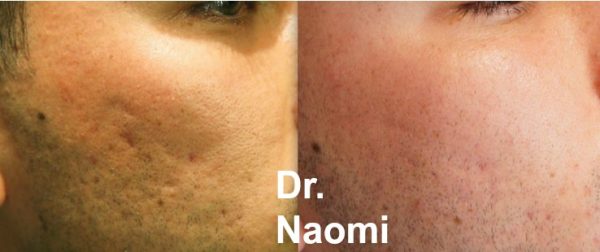
Acne Scarring Treatments in Sydney
At The Manse Clinic, Sydney CBD and Paddington
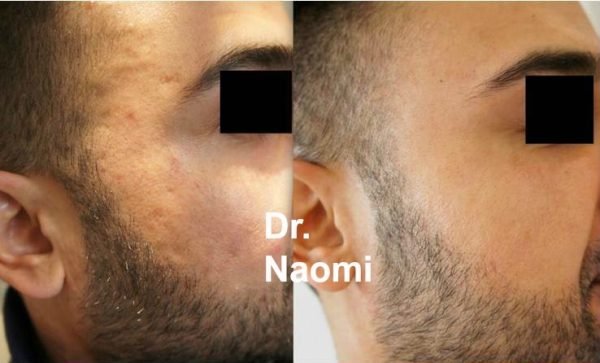
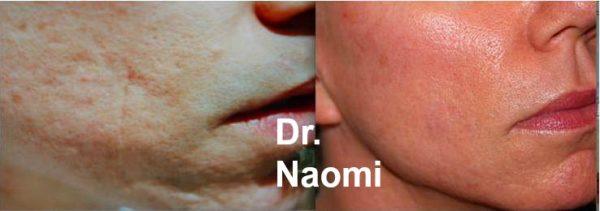
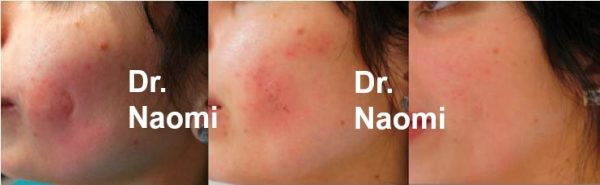
Acne scarring is one of the most common concerns we see at The Manse. Scars can appear as small depressions or irregular textures on the skin, often left behind after acne has healed. Our doctors offer a range of medical-grade treatments designed to smooth, lift and refine the skin’s surface — always tailored to your individual skin type and goals.
Understanding Acne Scars
Depressed or “atrophic” scars occur when collagen and underlying support tissue are lost during the healing process. These scars can also form after injuries or surgical wounds, not just acne.
Where a scar is tethered or “stuck down” to deeper structures, a simple release technique (called subcision) may be used to free the skin before any lifting treatment.
Improving the Appearance of Acne Scars
Depending on your skin and scar type, a lifting or collagen-supporting treatment may be recommended. These approaches help to restore lost volume beneath the scar and smooth the surface. In some cases, your own natural tissue may be used for soft, natural-looking enhancement.
Over time, as your skin regenerates, new collagen is produced — supporting improved texture, elasticity and tone. Because the skin in scarred areas is often thinner, this gradual collagen renewal is an important part of long-term improvement.
Aging and Scarring
As we age, bone and soft tissue volume naturally decrease. This can make old scars appear more visible. Addressing overall facial support as part of scar treatment helps maintain balance and smoothness over time. Your doctor will assess not only the scar itself but also the surrounding facial structure to create a holistic, natural-looking result.
Treatment Options for Acne Scarring
Our team uses a combination of lifting, collagen-supporting, and regenerative approaches.
Due to Australian regulations, we can’t list brand names or specific prescription-only products here. Your practitioner will discuss all suitable options in detail during your consultation.
-
Reversible lifting options: To improve the appearance of depressions and restore surface smoothness.
-
Collagen-supporting approaches: To help strengthen the skin’s structure and gradually improve tone and texture.
The right choice will depend on your skin, scar type, and goals. In many cases, a combination approach offers the most effective result.
How Many Treatments Will I Need?
The number of sessions varies depending on your anatomy, skin quality, and desired outcome. Some people see visible improvement after a single session, while others may prefer a series spaced over several months for gradual, progressive results.
Your practitioner will tailor a plan to suit your comfort level, goals, and budget.
Comfort and Pain Management
Your comfort is a top priority.
-
A numbing cream (such as EMLA or LMX) can be applied about 45 minutes before treatment.
-
Local anaesthetic, cooling, or ice packs may be used.
-
Nitrous oxide (“happy gas”) is also available to help ease any anxiety or discomfort.
During the Procedure
The treatment area is cleansed and prepared with antiseptic. Depending on the technique used, a fine needle or soft cannula may deliver the product beneath the skin. Gentle pressure is applied afterward, and ice may be used to reduce any swelling or redness.
Possible Side Effects
All medical procedures carry some risk, even when performed carefully. Your practitioner will discuss these with you during your consultation.
Possible temporary effects include:
-
Bruising or swelling in the treated area (usually resolves within days)
-
Redness or pinpoint marks at injection sites
-
Mild tenderness for a short time
More serious complications are extremely rare but will always be discussed before treatment so you can make an informed decision.
Aftercare
After treatment:
-
Avoid makeup on the area for about four hours
-
Skip strenuous exercise for the rest of the day
-
Avoid saunas, hot yoga, and spas for one week
-
Keep the area clean and avoid unnecessary touching
Redness and swelling usually settle within 2–3 days. Minor puffiness may linger for a few weeks as your skin settles.
Treatment Frequency
Your treatment schedule depends on your goals and the degree of correction desired.
Many patients begin with a series of sessions spaced several months apart, then maintain results with periodic top-ups once or twice a year.
Cost Information
Due to Australian regulations, we can’t publish prices for medical procedures online.
Please see our Pricing Page or contact our Sydney or Paddington clinics for further details.
Why Choose The Manse
At The Manse, our doctors combine advanced technique with aesthetic artistry. Every plan is customised to your face, your skin, and your goals. Whether you’re addressing old acne scars, post-surgical marks, or texture irregularities, our goal is to help your skin look smoother, fresher, and more confident — naturally.
FAQs
1. How many acne scar treatments will I need?
The number of sessions depends on your scar type, skin quality, and goals. Some patients see results after one treatment, while others benefit from a series spaced several months apart.
2. What is recovery like after acne scar treatment?
Mild redness or swelling is normal and usually resolves within a few days. Most patients return to daily activities shortly after treatment.
3. Are acne scar treatments painful?
Discomfort is minimal. Numbing cream, ice, or happy gas can be used to make the experience more comfortable.
4. How long do results last?
Results vary by skin type and treatment plan, but many patients maintain their results with yearly maintenance sessions.
5. Is there a consultation required before treatment?
Yes. Every patient has a personalised consultation to assess scar type, skin condition, and suitability before any treatment is performed.
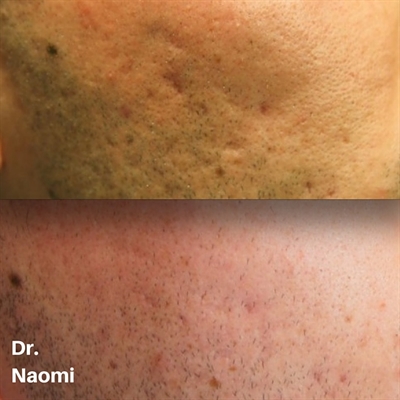
Acne Scarring Treatments in Sydney
Enduring acne is unpleasant enough; you shouldn’t have to live with scarring, too. We offer treatments to help improve the appearance of acne scarring at our Sydney cosmetic clinic, using a multi-modal approach to support smoother, more even-looking skin. Our cosmetic doctors and therapists use different techniques to address various types of acne scars.
What Causes Acne Scarring?
Acne scarring is the result of the skin’s natural wound-healing response. Inflamed acne can trigger the production of collagen to repair the skin, but in some cases the collagen fibres may not form as smoothly as the original skin. Early management of acne may help reduce the likelihood of visible scarring.
What Are the Different Types of Acne Scars?
There are two categories of acne scars — atrophic and hypertrophic scarring. The classification of acne scarring guides the choice of appropriate treatment approaches. We can also identify acne scarring as mild, moderate, or severe.
Atrophic Scarring
Atrophic scars are the most common type of acne scarring. Loss of tissue and atrophy in the superficial subcutaneous fat result in contraction and tethering of the epidermis.
Atrophic scarring can be categorised into the following groups:
Ice Pick Scars
Less than 2mm wide, narrow, deep, sharply defined.
Can extend into the deeper dermis or subcutaneous tissue.
Wider at the surface and taper downwards.
Often more resistant to surface-level treatments due to their depth.
Rolling Scars
4 to 5 mm wide, shallow, with an undulating appearance.
Caused by fibrous anchoring of the dermis to the subcutis.
May require deeper approaches for improvement.
Boxcar Scars
Wider at the base, do not taper.
Round to oval depressions in the skin with distinct margins.
Can be shallow (less than 0.5mm deep) or deep (more than 0.5mm deep).
Hypertrophic Scarring
These raised scars form as the lesion heals, resulting in a firm, raised papule or plaque. They develop within weeks of injury and may gradually settle over time. They do not extend beyond the margins of the injury and are not progressive.
Keloids are a different type of hypertrophic scar that can extend beyond the original area and may persist for longer. They can develop several years after injury and have a higher recurrence rate.
Red or Pigmented Scars
Hyperpigmentation or redness can highlight the appearance of both atrophic and hypertrophic scars. Addressing this aspect early may help improve the overall appearance of the skin.
What Are Treatment Options for Acne Scarring?
We offer a range of acne scar treatments at our Sydney clinic to help improve the appearance of scarring and support smoother-looking skin. These include both full-face procedures and techniques designed for specific scars.
Full Face Treatments
Full Field Laser Resurfacing
During a full-field resurfacing procedure, the skin’s surface is carefully treated to improve overall texture and tone. This differs from fractionated laser, which creates pinpoint channels in the skin but leaves surrounding tissue intact. We may use either Er:YAG (Erbium) or carbon dioxide (CO2) lasers. Recovery typically requires between 5 days and 2 weeks, depending on the depth of treatment. Possible side effects include temporary redness, pigmentation changes, and irritation.
Treatment on Individual Scars
Targeting acne scars that do not respond to full-field treatments often requires multiple procedures, so it can be beneficial to begin with these targeted options.
Subcision
This technique involves releasing the underlying tethering beneath a scar. A fine, slanted (bevelled) needle is used depending on the scar type.
The clinician inserts the needle into the dermis with the bevel flat and moves it through the scar in a fanning pattern. The needle may then be rotated and the motion repeated. Pressure is applied after the procedure to minimise bruising.
TCA Cross
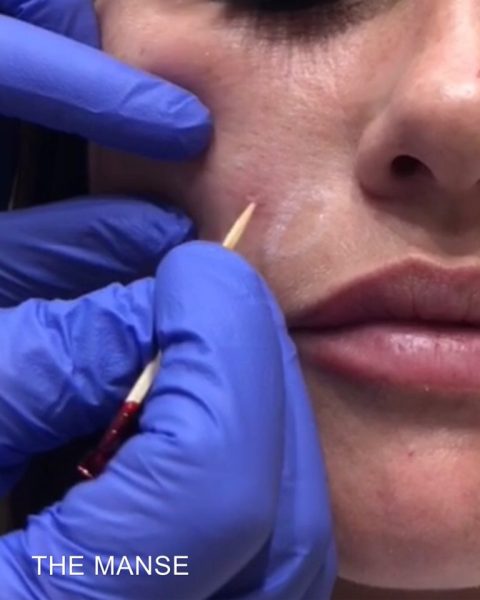
This procedure applies a very small amount of highly concentrated trichloroacetic acid (TCA) directly to the base of the scar. A toothpick or other fine applicator is used to ensure precision.
The treated area undergoes a controlled surface peel, supporting gradual improvement in texture and appearance. A small scab typically forms and falls off after 3 to 7 days.
Treatments may be repeated at 4- to 8-week intervals.
Sun protection is essential for the week following treatment.
Volume and Supportive Treatments for Acne Scarring
Lifting Treatments
Lifting treatments are commonly used for rolling scars. During placement, a modified subcision technique is performed to help release the underlying tethering.
Mild bruising and swelling may occur and usually settle quickly. Results may improve gradually as the skin regenerates following treatment.
Biostimulators
Biostimulator treatments are designed to support the skin’s natural collagen process, which may help refine the appearance of acne scarring over time.
PRP (Platelet-Rich Plasma)
Platelet-rich plasma (PRP) uses a patient’s own plasma, which contains naturally occurring growth factors that support tissue renewal. This autologous approach carries minimal risk of reaction.

Skinboosters
Skinboosters are a popular option for improving the appearance of atrophic acne scars. They can be used in the affected area to help smooth and hydrate the skin for a more even appearance.
These can be administered by hand or using a controlled delivery device, where the depth can be adjusted precisely.
(Specific product names cannot be listed due to Australian advertising regulations.)
Chemical Peels
Chemical peels can help refine the skin’s surface and improve texture in areas affected by scarring.
-
Superficial: glycolic, lactic, or Jessner-type (epidermal level)
-
Medium-depth: Jessner plus 10–25% TCA (papillary dermis)
-
Deep: phenol-based (reticular dermis, performed only under medical supervision)
Deeper peels may involve longer recovery and carry higher risk, so professional guidance is essential.
Dermabrasion
This procedure removes the outer layers of skin more deeply than microdermabrasion. It can improve surface irregularities but carries a higher risk of temporary pigment changes or scarring if aftercare is not followed.
Skin Needling
Skin needling involves rolling or stamping a device with multiple microneedles across the skin, creating fine punctures that stimulate the skin’s natural renewal process.
Other Information
When creating a management plan for acne scarring, we consider factors such as:
-
Whether acne is active or resolved
-
Skin healing ability (e.g. recent isotretinoin use)
-
Other skin conditions or sensitivities
-
Medications
-
Skin type and pigmentation risk
Get in Touch
Get flawless skin at The Manse Clinic Paddington and Uptown Sydney CBD. Experience the ultimate solution for acne scars treatment near you. Bid farewell to acne with our high-quality acne removal services in North Sydney. Elevate your confidence – reach out today and embrace skin transformation.Frequently Asked Questions
1. How many sessions will I need for acne scar treatments?
Most patients require several sessions spaced a few weeks apart, depending on the scar type and chosen treatment. Your clinician will personalise a plan during consultation.
2. Is there downtime after treatment?
Downtime varies depending on the procedure. Some treatments have minimal recovery time, while others—such as deeper laser resurfacing—may require several days to two weeks of healing.
3. Will the scars go away completely?
Treatments are designed to help improve the appearance of acne scarring and skin texture. Complete removal is not always possible, but most patients notice visible refinement over time.
4. Are these treatments suitable for all skin types?
Many acne scar treatments can be adjusted for different skin types, but suitability depends on your skin tone, scar depth, and history of pigmentation. Your practitioner will assess this during consultation.
5. How soon will I see results?
Some patients notice gradual improvement within a few weeks, while others see more visible changes over several months as the skin continues its renewal process.
6. Are there risks or side effects?
Mild redness, swelling, or temporary pigmentation changes can occur. Your practitioner will discuss all possible side effects and aftercare measures before treatment.
7. Can acne scar treatments be combined with other procedures?
Yes. Treatments such as microneedling, laser, chemical peels, or skin boosters are sometimes used together to address different scar types for a more balanced result.
8. How do I prepare for acne scar treatment?
Avoid sun exposure, active skincare products, or tanning for several days before your session. Follow any specific pre-care advice from your practitioner for best results.
9. When can I return to normal activities?
Most patients can resume daily activities immediately or within a few days, depending on the intensity of the treatment performed.
10. How can I maintain my results?
Follow the recommended skincare routine, protect your skin from the sun, and attend any scheduled follow-up appointments to maintain long-term skin quality.