


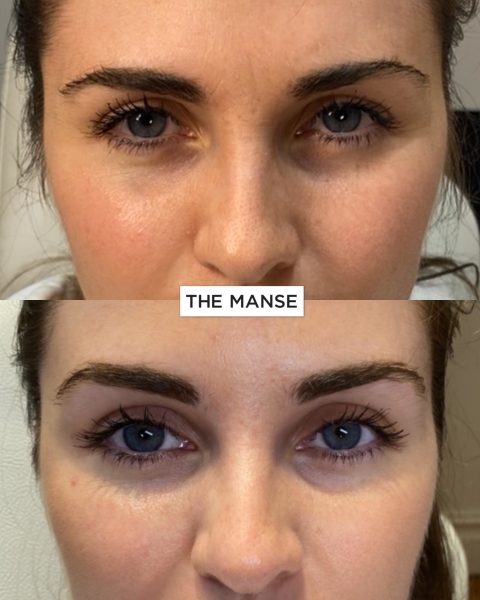
Pain Relief During Treatment
A numbing cream (such as EMLA or LMX) may be applied to the area about 45 minutes before treatment.
Glad wrap can be used over the cream to increase its effect.
Most patients choose not to use numbing cream because it takes time to work, and the treatment itself is generally well-tolerated.
Ice is always used to help reduce discomfort and minimise the chance of bruising.
Nitrous oxide (“happy gas”) is available for those who prefer additional comfort during cosmetic treatments.
In rare cases, Penthrox may be used for additional pain relief during brow procedures.
If a skin hydration treatment or volumising treatment is being performed at the same time, a small local anaesthetic may be used beforehand.
What Happens During the Brow Lift Appointment
The procedure steps depend on which treatment is chosen.
-
The skin is cleansed with alcohol and chlorhexidine.
-
Ice is briefly applied before treatment.
-
Small amounts are administered across 6–12 sites around and above the brows, in targeted facial muscles such as the orbicularis oculi and procerus.
-
Gentle pressure with gauze is applied immediately after.
The procedure usually takes less than five minutes to perform.
Side Effects and Risks
All medical procedures carry risks, though most are mild and temporary.
Your practitioner will discuss potential side effects during consultation.
Muscle-Relaxing Brow Lift
-
Headache may occur in some patients new to treatment.
-
Bruising is common and typically resolves within a few days.
-
Asymmetry can occur, often because natural facial asymmetry exists to begin with.
-
Infection is rare but possible with any procedure involving skin entry.
-
Eyelid heaviness or droop is uncommon but can occur temporarily.
Brow Lift with Volumising Treatments
These procedures carry additional risks:
-
Bruising and swelling are common and temporary.
-
Asymmetry may occur due to natural facial variation.
-
Infection is rare but possible.
-
Vascular compromise (restricted blood flow) is very rare but serious.
-
Visual changes are extremely rare but can occur globally in association with this type of procedure.
Your practitioner will discuss all risks, safety measures, and suitability during your consultation.
Who May Not Be Suitable for Brow Lift
Patients whose brows naturally sit very close to the orbital rim (the bony ridge above the eyes) may have a higher risk of eyelid heaviness and may not be ideal candidates.
Your practitioner will assess facial anatomy carefully before recommending treatment.
Aftercare Instructions
To support recovery and comfort, we recommend:
-
No makeup for 4 hours
-
No massage or pressure on the area for the rest of the day
-
Avoid lying down for 4 hours
-
Avoid strenuous exercise that day
-
Gentle facial expressions (smiling or frowning) for a few hours is fine
-
Avoid acids or active skincare for 24 hours
What to Expect After Treatment
-
Some people notice small red marks, tiny bumps, or mild redness, which typically resolve quickly.
-
Most patients can return to work or normal activities soon after.
-
The effect from certain treatments begins gradually over several days.
-
Full results typically develop around 3–4 weeks after the procedure.
-
A review appointment is recommended at around 3 weeks (for first-time patients).
Asymmetry Before Review
Mild unevenness is common early on — one side may settle or activate faster than the other.
This usually balances out by your review appointment.
Early retreatment is not recommended, as it can increase the risk of overcorrection.
Eyelid Heaviness
If you experience any eyelid heaviness, please contact the clinic promptly to arrange a review.
Your practitioner may discuss options to improve comfort.
Building Results Gradually
Some patients choose to enhance their result at a second session about 4 weeks later.
This staged approach can achieve a stronger lift in a gradual and controlled way.
How Long Results Last
Duration depends on factors such as metabolism, dosage, treatment type, and individual response.
Typical timeline:
-
3–4 weeks: full effect is visible
-
8 weeks: gradual softening begins
-
12 weeks: around half the effect may remain
-
16 weeks: most results fade
Maintenance varies by treatment type:
-
Muscle-relaxing treatments: every 3–4 months
-
Volumising treatments: every 6–12 months
Cost of brow lift
Please see current price for browlift


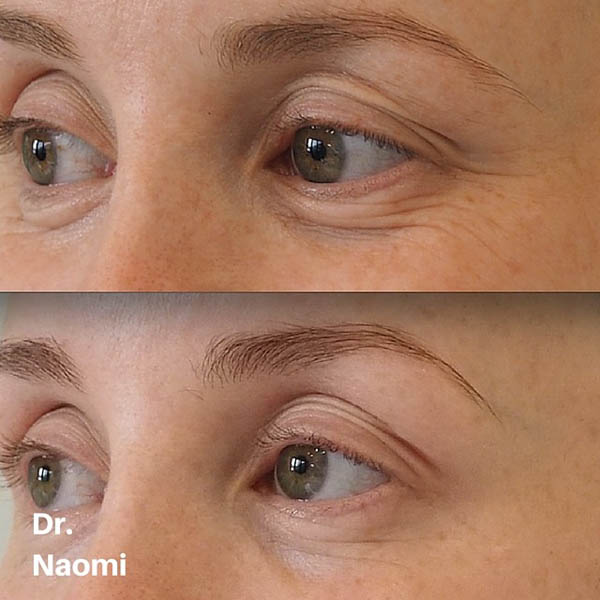

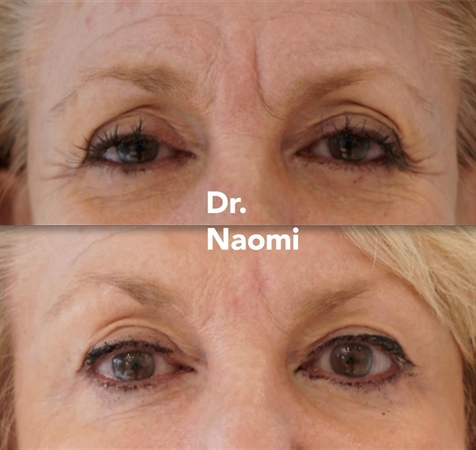
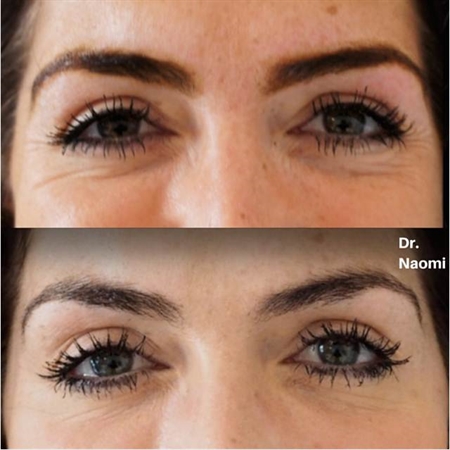


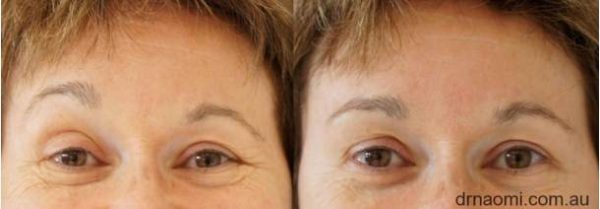
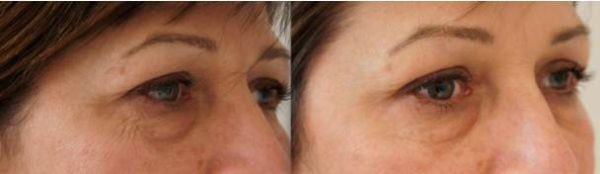


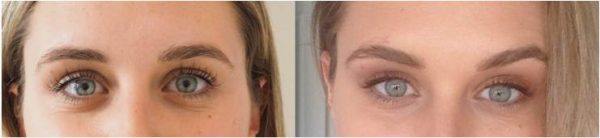
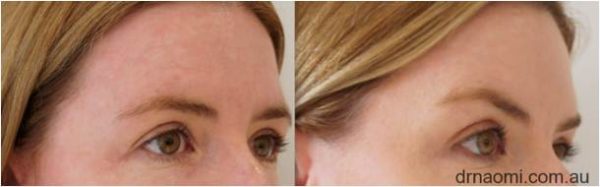
Frequently Asked Questions – Non-Surgical Brow Lift
1. What is a non-surgical brow lift?
It’s a cosmetic procedure designed to gently lift and shape the eyebrows using non-surgical methods. Your practitioner tailors the plan based on anatomy and goals.
2. Are threads an option for the brow area?
Yes. Threads can provide subtle lift and support while stimulating collagen for a natural look. Suitability depends on individual assessment.
3. How long does recovery take?
Most people return to daily activities immediately. Mild redness or swelling may occur and typically resolves within a few days.
4. How long do results last?
Results vary based on treatment type. Some options last several months, while others, like threads, can last up to 1–2 years.
5. Can I combine a brow lift with other treatments?
Yes. Many patients combine brow lifts with temple or forehead rejuvenation for a balanced, refreshed appearance.