
Face slimming is one of the most popular treatments at our Sydney clinics.

Face Slimming
Face slimming, also known as masseter slimming or jawline slimming, is one of the most popular treatments at our Sydney clinic, especially among our Asian patients.
For a beautiful, feminine face shape—such as a V-shaped or heart-shaped face—there should be a smooth curve from the upper cheeks to the lower third of the face, rather than a square, round, or boxy shape.
Face slimming is a simple and commonly performed procedure at our clinic. We focus on the masseter muscle area, which helps reduce the width of the lower face below the cheekbones.
Sometimes large masseters are genetic and may run in families.
We address this area by gently relaxing and refining the masseters, creating a slimmer, more oval, and softer lower face.
Bruxism
Sometimes masseteric hypertrophy (enlarged jaw muscles) is caused by bruxism, which is the involuntary or habitual grinding or clenching of the teeth—often during sleep.
This can cause the masseters to enlarge over time and, if left untreated, may contribute to TMJ discomfort or orofacial tension.
Bruxism is often linked to stress or tension-related habits.
What Do We Use to Slim the Masseter Muscles
We treat the hypertrophy of the masseter muscles using advanced, non-surgical methods performed by experienced practitioners.
Due to Australian regulations, we are unable to provide further details about the products or techniques used.
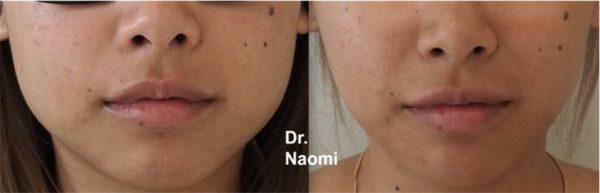
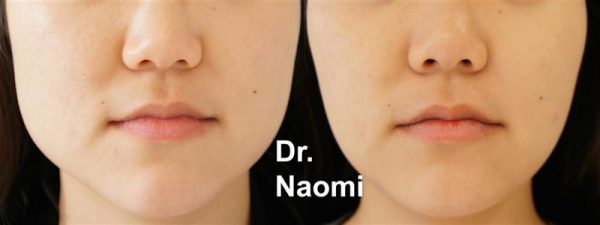
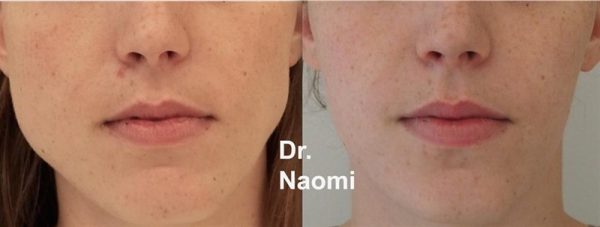
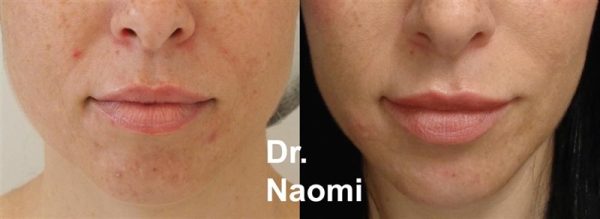
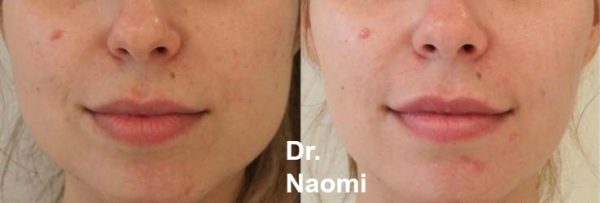
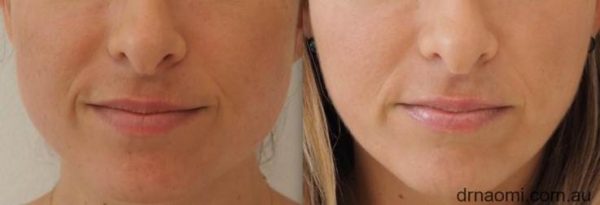
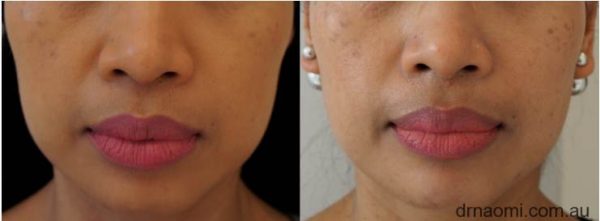
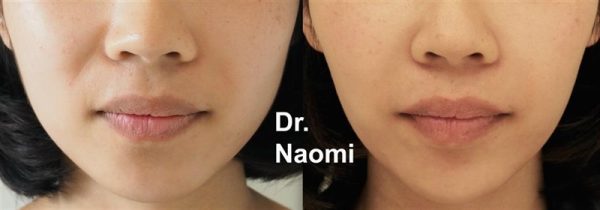

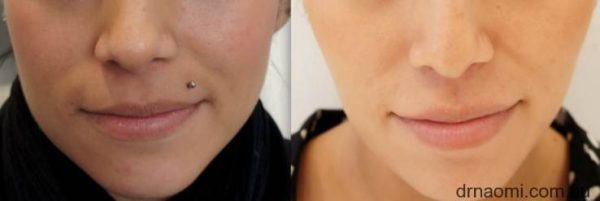
Face Slimming Consultation
The consultation for face slimming
History-taking is very important in the treatment of face slimming. The following should be explored:
-
Is there a genetic component? i.e. are there others in the family who have a square jawline?
-
Has the patient had treatment before? Were they satisfied with results? Did the effect of their previous treatment last well? Have they ever had any complications before?
-
How is the patient’s metabolism? Do they exercise? Are they very muscular? Do they have trouble putting on or losing weight?
-
What is bothering the patient? Is it the appearance of a wide or full face, headaches related to jaw clenching, TMJ discomfort or orofacial pain? Does the patient have bruxism (teeth grinding)? Have they worn down their teeth?
-
Does the patient want a more natural appearance, with some squareness left, or do they want the maximal effect possible — a face that is super-contoured and as slim as possible?
-
What is the age of the patient?
The examination for face slimming
The practitioner will examine the face, jaw and neck. In particular, they will look at many features, such as:
-
Where the masseters are and how large they are
-
How straight the jawline is
-
Whether there is asymmetry
-
How elastic the skin is
The practitioner will also feel the size and shape of the masseters by getting the patient to chew while touching the masseter area.
Choosing what to do for face slimming
The practitioner will assess the face and neck and decide on the best plan after taking a history and examining the patient.
If the patient has a history of short-lasting results or wants a maximal effect, this will influence the plan.
If the patient is over 40 or has less elastic skin, a plan involving multiple sessions may be required.
If the patient has a history of complications, a smaller budget, or prefers a more subtle result, this will also guide the approach.
Pain relief during face slimming treatment
There is very little discomfort during face slimming treatments. Ice is usually the only pain reliever needed and helps reduce the risk of bruising.
A numbing cream (e.g. EMLA or LMX) may be applied to the area prior to treatment (45 minutes prior is ideal). Glad wrap can be used over the numbing cream to increase its effect.
Most patients do not bother with numbing cream because it takes time to work and the treatment isn’t very painful.
Nitrous oxide (“Happy Gas”) is available if preferred but is usually not needed for face slimming.
What happens during the treatment
Procedure
-
The face is cleaned with alcohol and chlorhexidine
-
Ice is applied briefly before treatment
-
The clinician feels the masseter and performs the procedure
-
Gentle pressure with gauze is applied afterwards
The procedure itself takes less than 5 minutes.
Side effects and risks of face slimming
In general, treatment of the masseters is low risk.
-
Headache happens in around 10% of new users
-
Bruising can occur
-
Asymmetry: Often one side responds differently to the other. This is usually because patients are naturally asymmetrical — for example, one side may be stronger or used more for chewing
-
Infection is a very rare complication but always a possibility with any procedure involving the skin
-
There is a low risk of smile asymmetry or reduced movement with higher doses
-
For patients over 40, where skin is less elastic, mild sagging may appear more noticeable initially. This is best managed by a gradual series of treatments.
Who is unsuitable for face slimming
Most people are suitable for face slimming, but as mentioned above, older patients may benefit more from a staged approach so that the jawline can retract naturally.
Instructions for care afterwards
-
No makeup for 4 hours
-
No massage that day
-
No heavy exercise that day
-
No lying down for 4 hours
-
Avoid acid-based face or neck products for 24 hours
What to expect after face slimming treatment
Mostly, immediately after treatment there is nothing to see.
Sometimes there can be redness or small lumps, which look like mild acne and usually resolve quickly.
Most people can have this done during a lunch break and go back to work without anyone noticing.
The effects begin gradually — slimming may start to appear around 4 weeks and continue improving up to 8 weeks.
A review should not be booked before 8 weeks, as this is when the full effect is seen.
If further improvement is desired at that time, another session may be performed.
Visible results are usually noticeable from 6–8 weeks and are best after multiple sessions as the masseter continues to refine.
What to do if one side looks different or results are less than expected
This can happen and is not uncommon. At your 8-week review, further treatment may be provided if more improvement is desired.
All products used will be charged for, as there are no complimentary top-ups. The practitioner will assess whether additional refinement is appropriate.
How long will results last
This varies between patients and depends on metabolism, treatment strength, and placement. Typically:
-
At 8 weeks: maximal effect
-
At 16 weeks: around 80% of movement returns
With regular treatments over time (around 2 years), many patients find they require less frequent sessions or smaller doses.
When to have your next face slimming treatment
If you want more slimming, the second treatment can be done at 8 weeks.
If you’re happy with the result, maintenance is usually done at 3–4 months.
Threads for additional contouring
Threads can sometimes be used with face slimming to help refine the jawline and improve skin firmness.
They work by supporting collagen production and providing gentle structural lift. Your practitioner can discuss whether this is suitable for you.
For those who have had complications of smile asymmetry before
We recommend ultrasound examination, which we offer at The Manse
How much does it cost for masseters for jawline slimming?
Due to Australian regulations we are not able to disclose pricing outside of a consultation for more information please see prices.
Masseter Slimming Results
Face Slimming Aftercare
Please see our page on Face Slimming Aftercare
Frequently Asked Questions – Face Slimming
1. How long until I see results?
You may notice gradual slimming after 4 weeks, with the peak result around 8 weeks.
2. Is the treatment painful?
Discomfort is minimal. Ice is usually enough, but numbing cream or Happy Gas are available if preferred.
3. How long do results last?
On average, results last around 3–4 months, depending on metabolism and treatment plan.
4. Can face slimming help with teeth grinding?
Yes, it may assist in relaxing the masseter muscles that contribute to bruxism.
5. Do I need multiple treatments?
Patients over 40 or with stronger muscles often benefit from gradual or repeated sessions for the best result.